

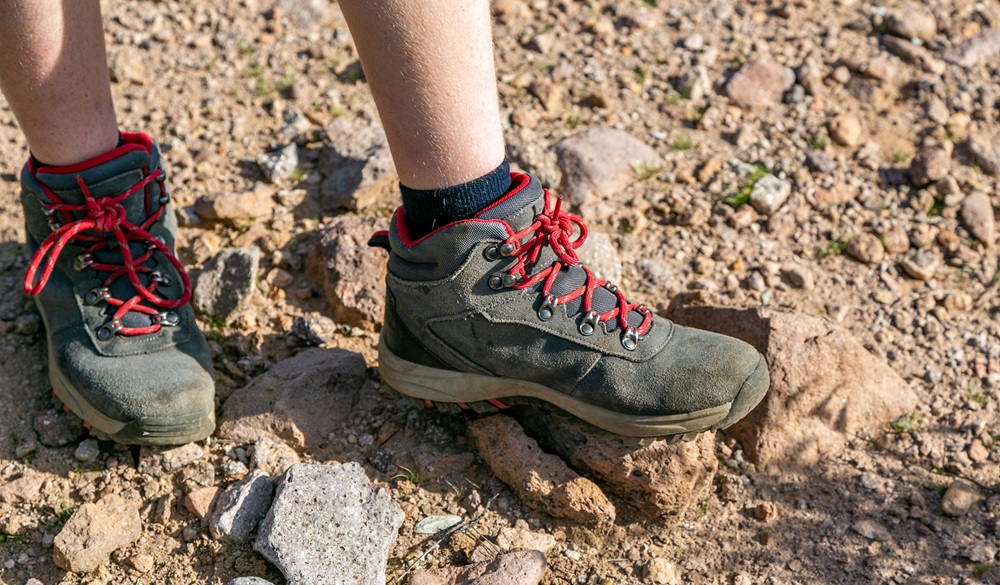
When you’re eyeing a pair of used hiking shoes at a gear swap or online marketplace, the biggest question isn’t about style or comfort-it’s whether those soles will stay attached to your feet on the trail.
Most used hiking boots have between 300-500 miles of life remaining before sole delamination becomes a serious concern, but several factors determine if you’re getting a bargain or buying someone else’s problem.
What Causes Hiking Boot Soles to Delaminate?
Sole delamination happens when the adhesive bond between the outsole and midsole breaks down, typically after 500-800 miles of use.
The polyurethane adhesives used in most hiking boots naturally degrade over time, especially when exposed to moisture, temperature changes, and the constant flexing that comes with walking on uneven terrain.
Heat is the biggest enemy of boot adhesives. When temperatures exceed 140°F-which can happen inside a hot car or during summer desert hikes-the bonds weaken significantly faster.
Cold weather below 32°F makes the adhesive brittle and prone to cracking.
The constant compression and release cycle during hiking gradually weakens these bonds.
Each step creates micro-separations that accumulate over hundreds of miles until visible gaps appear between sole layers.
How Can You Tell If Used Hiking Shoes Are Close to Failing?
Look for visible separation at the toe box and heel areas, as these are the first places delamination typically appears. Run your fingers along the entire sole perimeter, feeling for any gaps or soft spots where the sole feels loose.
Check the tread depth by inserting a penny into the deepest grooves. If Lincoln’s head disappears completely, the boots still have adequate tread. When you can see his entire head, the outsole is worn beyond safe hiking limits.
Examine the midsole compression by pressing firmly on the heel and forefoot areas.
Severely compressed midsoles won’t spring back and indicate the boots have absorbed significant impact over many miles.
Look for cracking or hardening of the midsole material, particularly around high-flex areas.
Polyurethane midsoles that feel overly firm or show visible cracks are approaching failure.
What Factors Affect How Many Miles You’ll Get?
Boot construction quality is the primary factor, with premium brands typically lasting 200-300 more miles than budget options.
Full-grain leather boots with Vibram soles generally outlast synthetic materials and proprietary rubber compounds.
Your hiking style significantly impacts longevity. Aggressive hikers who scramble over rocks and brake hard on descents can reduce boot life by 30-40% compared to steady walkers on maintained trails.
Terrain type matters enormously. Rocky, abrasive surfaces wear soles faster than soft dirt trails.
Desert hiking with fine sand acts like sandpaper, while muddy conditions can accelerate adhesive breakdown through constant moisture exposure.
Storage conditions between hikes affect adhesive integrity. Boots stored in hot attics or damp basements degrade faster than those kept in climate-controlled environments.
When Should You Walk Away from a Purchase?
If you can see daylight through any part of the sole-to-boot connection, don’t buy them. Visible separation means delamination is already occurring, and complete failure could happen within 50-100 miles.
Avoid boots with extremely compressed midsoles that don’t return to their original shape after pressure. These boots have lost their shock absorption and will likely develop sole separation soon.
Pass on boots with cracked or hardened midsole material, especially around the forefoot flex zone. Once polyurethane begins cracking, the degradation accelerates rapidly.
Don’t purchase boots that have been resoled unless you can verify the work was done professionally. Poor resole jobs often fail prematurely and can be dangerous on technical terrain.
How to Maximize Your Used Boot Investment
Clean and condition the boots immediately after purchase to remove harmful debris and restore leather flexibility. Use appropriate leather conditioners or synthetic cleaners based on the boot materials.
Store your boots properly between hikes. Keep them in a cool, dry place away from direct sunlight and extreme temperatures. Stuff newspaper inside to help maintain shape and absorb moisture.
Rotate between multiple pairs if possible. Allowing 24-48 hours drying time between uses significantly extends adhesive life by preventing constant moisture exposure.
Consider professional resoling when the outsole wears down but the upper remains in good condition. Quality resoling costs $60-120 but can add 300-500 more miles to boots you love.
FAQ
How long do hiking boots last in storage?
Unused hiking boots can develop sole separation after 5-8 years in storage due to natural polyurethane degradation, regardless of mileage.
Can you repair minor sole delamination?
Small separations under one inch can sometimes be repaired with specialized shoe adhesives, but this is a temporary fix lasting 50-100 miles.
Do waterproof boots delaminate faster?
Waterproof membranes can trap moisture inside the boot construction, potentially accelerating adhesive breakdown compared to non-waterproof designs.
Should you buy used hiking boots online?
Buying used boots online is risky since you can’t physically inspect for delamination signs. Request detailed sole photos before purchasing.
What’s the best value in used hiking boots?
Look for lightly used premium brands that retail over $200 new. These often provide the best remaining mileage per dollar spent on used hiking shoes.