

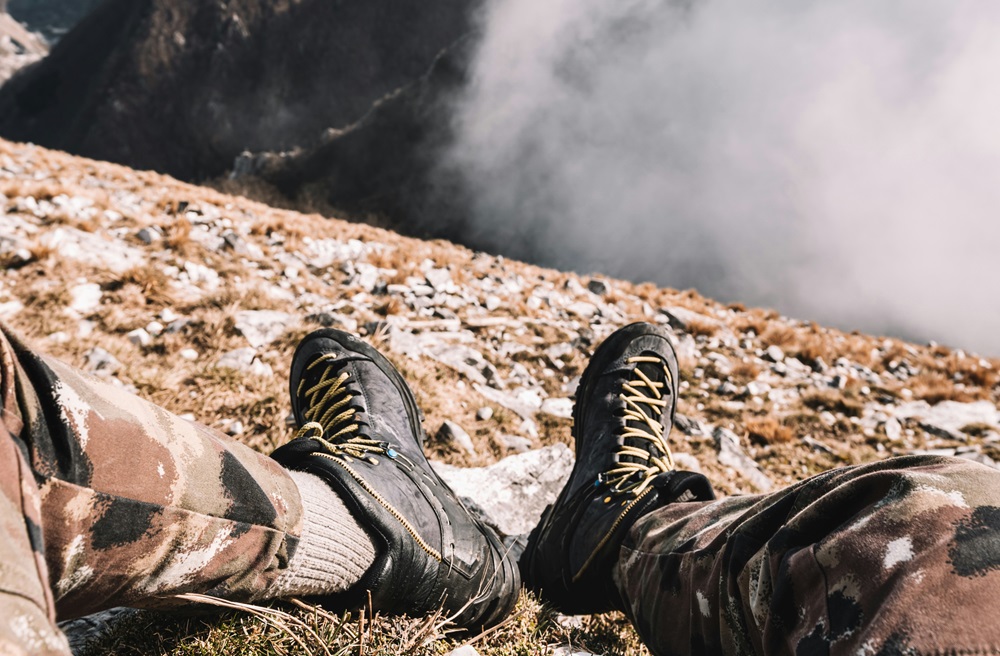
After a glacial approach, your mens mountaineering boots are soaked through, packed with grit, and probably starting to smell. Here’s the thing most people get wrong: they rush the drying process.
That one mistake can crack your rand, stiffen your liner, and cut the life of a $400-plus boot in half.
Does heat speed up boot drying safely?
No, heat is the main cause of rand cracking and liner stiffness, and you should avoid it completely.
The rand, that rubber welt wrapping your boot’s sole edge, is vulcanized rubber. It holds its flex well at room temperature, but even moderate heat above 40°C (104°F) begins to degrade it.
Forced hot air, like from a boot dryer on high or placing your boots next to a radiator, can permanently set that stiffness into the rand within a single drying cycle.
The liner gets hit differently. Most mountaineering boot liners are made from closed-cell foam or thermoformable plastics. When these materials dry too fast under heat, the cellular structure tightens.
You end up with a liner that fits noticeably harder the next time you put it on, and no amount of re-wearing will fully recover that original shape.
Room temperature air circulation, somewhere between 15°C and 25°C, is the right environment. Not warm, not cold. Just moving air.
What Should You Do First When You Get Back to Camp?
Pull the liners out immediately and remove the insoles. This is the single most important thing you can do.
Mountaineering boots trap moisture in layers. The outer shell, the liner, and the footbed all absorb water independently.
If you leave the liner inside the shell, airflow is blocked and moisture stays trapped between the two for hours longer than necessary. That trapped humidity is where liner odor, mold, and early material degradation start.
Once the liners are out, shake any standing water from the shell. Use a dry cloth or a thin towel to wipe down the inside of the shell as far as your hand can reach.
Then stand both the shell and the liner upright in a spot with natural air movement. Near an open tent door, under a vestibule with airflow, or just outdoors in dry air all work well.
Avoid sealing them in your pack. Fabric bags and pack pockets hold moisture in rather than letting it out.
How Do You Dry the Rand Properly Without Cracking It?
Keep the rand moist enough during the early drying phase that it never fully dries out before you condition it.
This sounds counterproductive, but rubber dries from the outside in. If the outside surface of your rand dries completely before the inside moisture has migrated out, you get differential shrinkage.
The outer layer contracts faster than the inner layer, and that’s where micro-cracks form. Over time, those small cracks open into the full splits you see on heavily used boots.
The fix is simple. While the boot is still damp, about two to four hours into drying, apply a thin layer of rubber conditioner or boot cream to the rand. You don’t need much.
Just enough to slow the surface drying rate so the inside has time to catch up. After the boot is fully dry, apply a second coat.
This two-coat method is well established in technical gear care. It works on the same principle used for conditioning leather wallets and car dashboards.
Does Newspaper Inside Actually Help?
Yes, but only when changed regularly.
Crumpled newspaper absorbs moisture through direct contact. Stuffed loosely into the boot shell, it pulls water away from the interior lining surface and the toe box. A single stuffing typically absorbs its capacity within two to three hours, after which it just sits there damp. Change it every two to three hours for the first full day.
Avoid using colored print pages directly against the liner material. The ink can transfer to lighter-colored foam or fabric. Plain newsprint is fine.
Cedar shoe inserts are a solid long-term option if you’re at a trailhead or base camp with access. They absorb moisture and reduce odor-causing bacteria at the same time, without risking ink transfer.
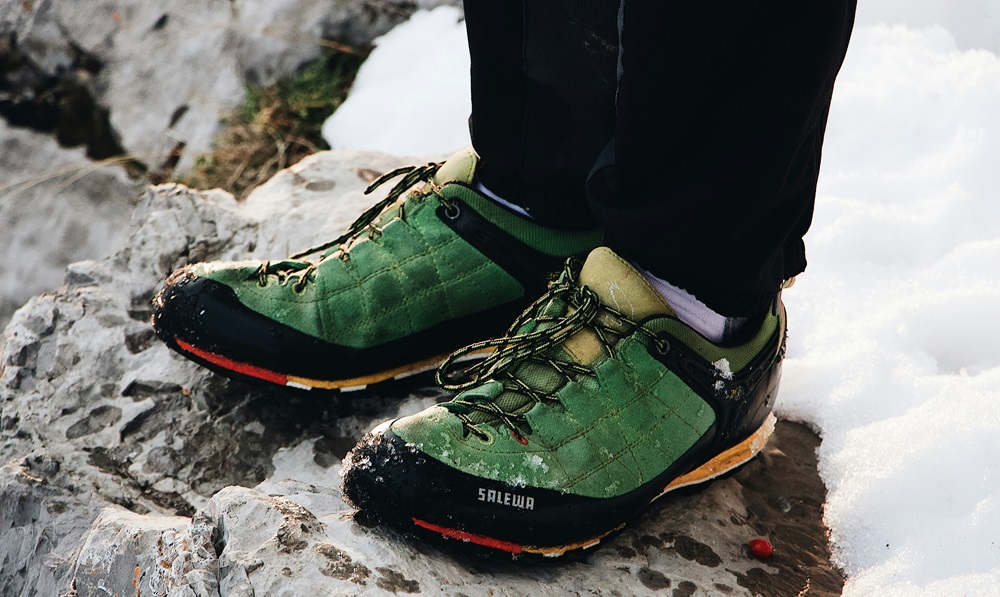
What Does Long-Term Liner Storage Actually Require?
Store your liners separately from your boot shells, and never compress them under other gear.
Liner foam has a memory. If you compress it for weeks or months, it takes on that compressed shape. Most people discover this the following season when they notice their liners feel flat or uneven across the footbed. The fix at that point is either a full re-mold or replacement, both of which are expensive and avoidable.
Liners should be stored in a dry space above freezing. Extended exposure to temperatures below 0°C causes the foam adhesives inside the liner to become brittle. Research from outdoor gear durability testing suggests liner foam bonded with standard adhesives degrades measurably after 30 or more freeze-thaw cycles.
Keep them stored loosely, upright if possible, in a breathable cloth bag or just on an open shelf.